The Target Heart Rate Calculator is an essential fitness tool that enables individuals to determine what their heart rate should be while exercising or working out. During exercise, the heart beats faster than it does in a resting state. If this heart rate remains within the correct range, the body derives greater benefits, and fitness improves more effectively.
In today’s world, public awareness regarding fitness is growing rapidly. People go to the gym, run, cycle, and engage in various other forms of physical activity. However, if exercise is not performed within the correct heart rate zone, one may not always reap the full benefits. This is precisely why tools like the Target Heart Rate Calculator are considered so valuable.
Based on your age, resting heart rate, and maximum heart rate, this tool indicates what your ideal heart rate range should be while exercising.
What is Target Heart Rate Calculator ?
Heart rate refers to the number of times the heart beats in one minute. It is typically measured in Beats Per Minute (BPM). When we are at rest, the heart beats slowly; however, when we run or exercise, the body requires more oxygen, causing the heart to beat faster.
Every individual’s heart rate can vary, as it depends on several factors such as age, physical fitness, overall health, and activity level. A physically fit person typically has a lower heart rate because their heart functions more efficiently.
To properly understand the concept of Target Heart Rate, it is essential to grasp three key concepts:
Maximum Heart Rate
Resting Heart Rate
Heart Rate Reserve
Based on these three factors, the appropriate intensity for exercise is determined.
What is Maximum Heart Rate?
Maximum Heart Rate (MHR) represents the highest number of times the heart can beat in one minute during strenuous exercise. While medical tests are conducted to measure this precisely, a simple formula is commonly used to estimate it for the general public. The most popular formula is:
Maximum Heart Rate = 220 − Age
For example, if a person is 30 years old, their estimated Maximum Heart Rate would be:
220 − 30 = 190 BPM
However, this is merely an estimate, as every individual’s body is unique. Some scientists have proposed other formulas for this purpose, such as:
Tanaka Formula
Nes Formula
The objective of all these formulas is to estimate the maximum heart rate based on age.
What is Resting Heart Rate?
Resting Target Heart Rate Calculator is the heart rate measured when a person is in a state of complete rest. The best time to measure it is immediately after waking up in the morning, when the body is completely calm.
The Resting Target Heart Rate Calculator of an average adult typically falls between:
50 and 90 BPM.
If a person’s Resting Target Heart Rate Calculator exceeds this range, the condition is referred to as Tachycardia; conversely, if it is significantly lower, it is termed Bradycardia.
It is worth noting that professional athletes tend to have a lower Resting Heart Rate compared to the general population, as their hearts are stronger and more highly trained.
What is Target Heart Rate Calculator?
Heart Rate Reserve (HRR) represents the difference between the Maximum Heart Rate and the Resting Heart Rate.
The formula for this is:
HRreserve = Maximum Heart Rate − Resting Heart Rate
For example:
Maximum Heart Rate = 180
Resting Heart Rate = 70
Therefore:
HRreserve = 180 − 70 = 110
This value is used to determine the appropriate heart rate range during exercise.
Target Heart Rate Zones
During exercise, heart rate is typically categorized into five distinct zones. Each zone serves a specific purpose and exerts a unique physiological effect on the body.
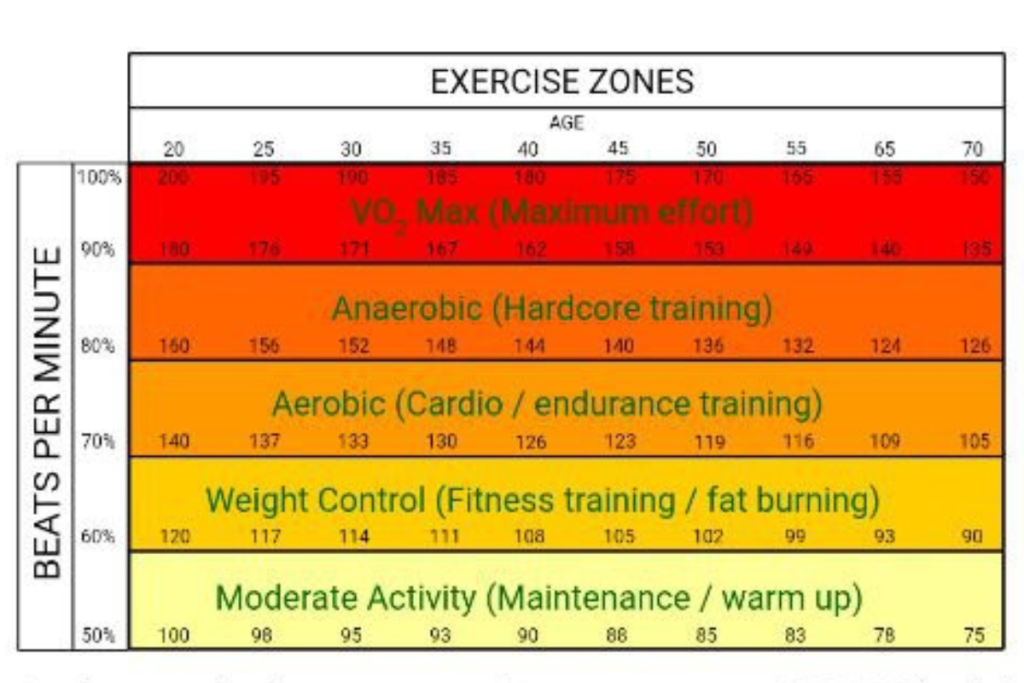
Zone 1 (50% – 60%)
This constitutes the lightest exercise zone. This zone is typically used for warm-ups, cool-downs, or light activities.
Zone 2 (60% – 70%)
This zone is considered excellent for fat burning and building endurance. At this level, an individual can exercise for extended periods.
Zone 3 (70% – 80%)
This zone helps enhance the body’s strength and speed. The workout in this zone is slightly more challenging but highly effective.
Zone 4 (80% – 90%)
This is a high-intensity exercise zone where the body operates close to its maximum capacity.
Zone 5 (90% – 100%)
This is the most demanding zone. Exercise in this zone can only be sustained for very short durations.
Methods for Measuring Exercise Intensity
Several methods are used to measure exercise intensity. One popular method among them is the Rating of Perceived Exertion (RPE).
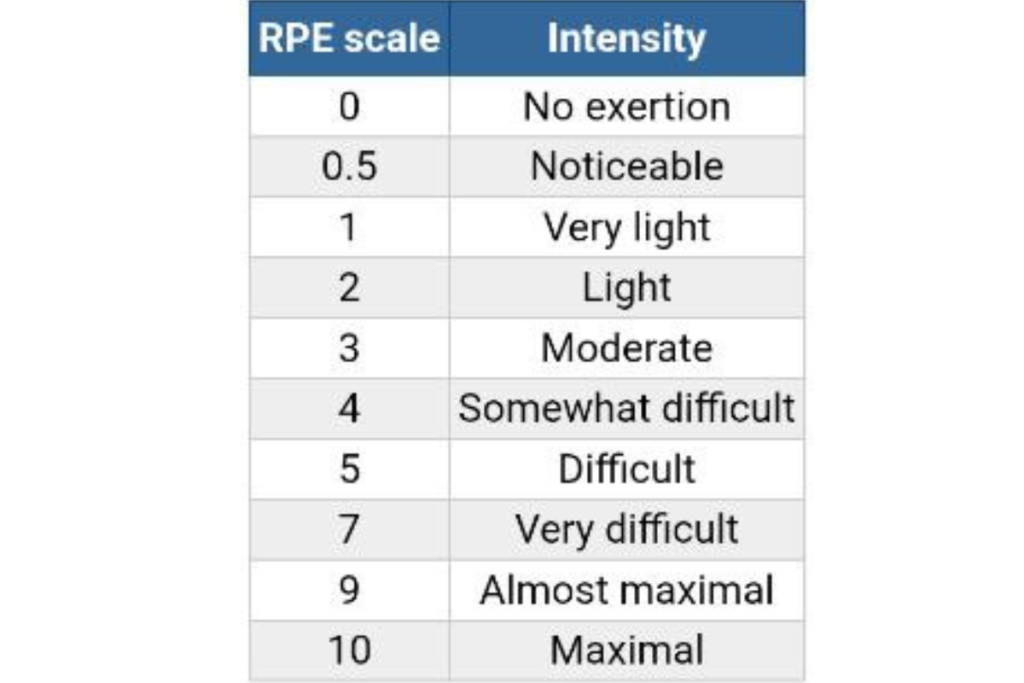
On this scale, an individual indicates how difficult the exercise feels to them while performing it. The scale ranges from 0 to 10, where:
0 = No effort at all
5 = Hard
10 = Maximum effort
This method is useful because it requires no equipment.
Borg Scale Method
Another well-known method for measuring exercise intensity is the Borg Scale. This scale ranges from 6 to 20 and is also utilized in scientific research.
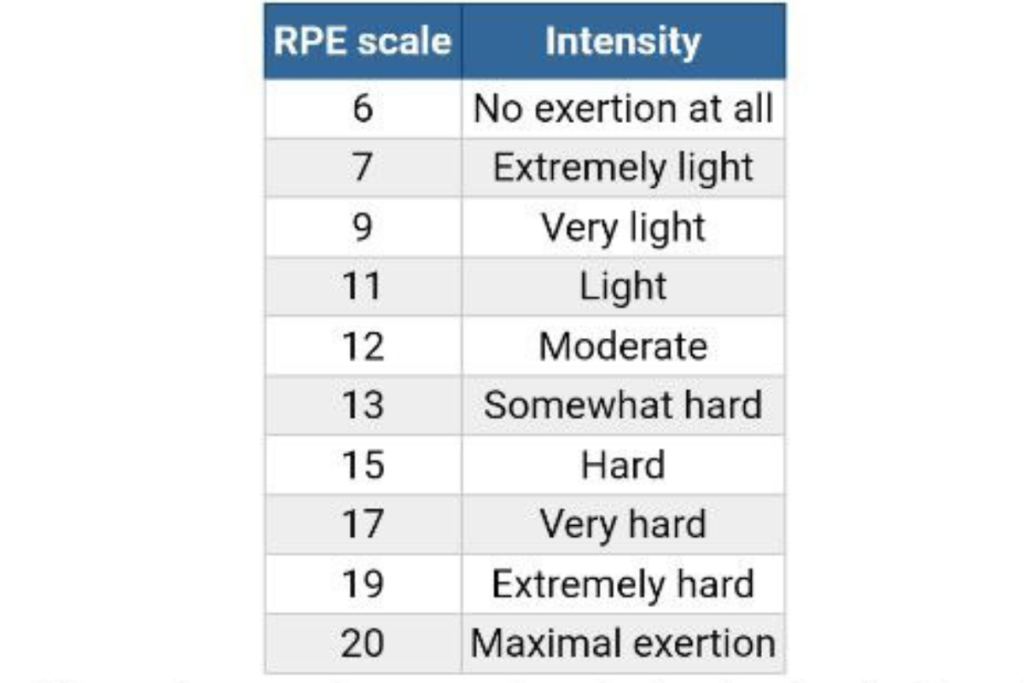
On this scale, each number corresponds to a specific level of exercise intensity. For example:
6 = No effort at all
12 = Moderate effort
17 = Very hard
20 = Maximum effort
By using the Borg Scale, an individual can better estimate their exercise intensity.
Why Should You Use a Target Heart Rate Calculator?
Using a Target Heart Rate Calculator offers numerous benefits.
First, it helps you maintain the correct exercise intensity. This ensures the body derives maximum benefit while minimizing the risk of injury.
Second, it aids in achieving fitness goals more quickly. Whether you aim to lose weight, build endurance, or improve cardiovascular health, exercising within the correct heart rate zone is crucial.
Related Post :- BMI Calculator – Check Your Body Mass Index Online Easily
Third, this tool is extremely user-friendly—even for beginners—as it requires only a few basic pieces of information to operate.
Conclusion
The Target Heart Rate Calculator is an exceptionally useful fitness tool that assists in maintaining the appropriate heart rate during exercise. By understanding Maximum Heart Rate, Resting Target Heart Rate Calculator, and Heart Rate Zones, anyone can make their workouts more effective.
If you wish to stay healthy and enhance your fitness, understanding your Target Heart Rate and utilizing it correctly is essential. Exercising within the appropriate heart rate zone yields greater physical benefits and allows for the faster attainment of fitness goals.